Earth Day is an annual event on April 22 to demonstrate support for environmental protection. It now includes a wide range of events coordinated globally through earthday.org (formerly Earth Day Network)[1] including 1 billion people in more than 193 countries.
New York City’s Car-Free Earth Day is on April 25th. Click the links below to learn more.
As I Climate Advocate, I am asking a question. Have you ever considered what we can do to help alleviate pollution when we are traveling?
Types of Pollution from Traveling
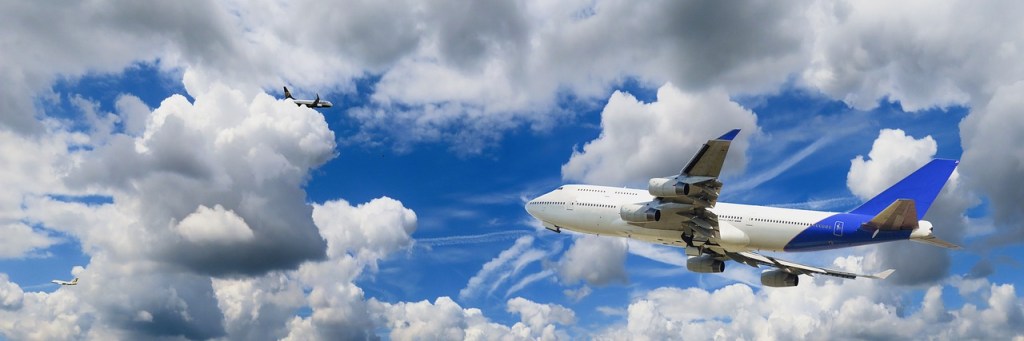
Traveling contributes to various forms of pollution, significantly impacting our planet. The most prominent type is air pollution, especially from air travel. Aircraft emit greenhouse gases like carbon dioxide, nitrogen oxides, and particulate matter, which can worsen climate change and affect air quality. Ground transportation, including cars and buses, also plays a role in emitting harmful pollutants, contributing to both air quality degradation and noise pollution.
For a more comprehensive understanding of aviation’s environmental impact, check out the detailed description provided by Wikipedia at the following link: Environmental Impact of Aviation
One of the websites I like for information about Eco-Friendly travel is : https://tripjive.com/ Below are links to help you explore.
https://tripjive.com/eco-friendly-packing-ideas-for-green-travelers/ FYI Lightweight and Durable Choices: Choosing light yet tough luggage helps the environment. Lighter gear means vehicles use less fuel. This is true whether you’re flying, driving, or taking the bus. For example, carrying less weight in a vehicle can save 1-2 miles per gallon of fuel!
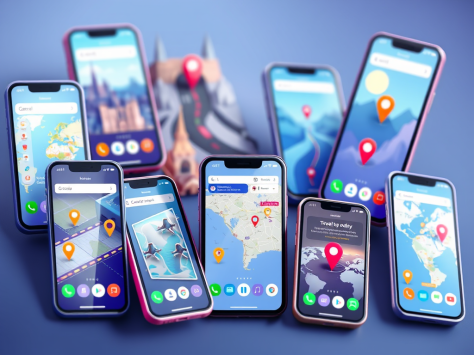
As a climate advocate, I seek to share information on methods for making better decisions to address climate challenges. I found a website that offers suggestions for using travel apps, including a detailed description of how to use them. I encourage you to explore this website, as it highlights free apps accessible to anyone looking to positively impact climate change.
Climate Change is an ongoing discussion. What are your ideas for addressing this challenge? Perhaps Friendly Planet Travel may assist you in making a decision.
Did you know that Climate Week in New York City is September 22-29?
This is an important event that brings together global leaders to discuss climate action and sustainability. It’s a great opportunity to raise awareness and promote initiatives that can make a positive impact on our planet. If you have the chance, consider participating in the events or supporting related activities in your area. Together, we can work towards a more sustainable future for all.
Take a look at the Sustainability in Travel Information at the link below and then click the link to learn how to be a better traveler by using the free guide.
In my latest Wellness Connections Podcast – Episode #57 – September Resolutions, I make a commitment to doing my part to help with Climate Change. According to NRDC one of the reasons of climate challenges is Anthropogenic, which is just a way of saying “caused by human beings”.
Our role in taking Climate Actions gives us options to consider ways to partake in our latest planet struggles for a Wellness future for our society.
So, what is all the fuss about Fossil Fuels – and how can we participate in any ‘small’ way to do our part in helping to combat climate change?
The Natural Resources Defense Council (NRDC) website provides some suggestions of things that relate to travel, which we can probably manage.
Maintain your ride.
If all Americans kept their tires properly inflated, we could save 1.2 billion gallons of gas each year. A simple tune-up can boost miles per gallon anywhere from 4 percent to 40 percent, and a new air filter can get you a 10 percent boost. Also, remove unnecessary accessories from your car roof. Roof racks and clamshell storage containers can reduce fuel efficiency by as much as 5 percent. Before you buy a new set of wheels, compare fuel-economy performance here.
Learn about Carbon Offsets: One of the key ways offsets are being used today is to offset the emissions from flying. A long-distance flight using traditional jet fuel results in a lot of carbon pollution, which has an outsized effect on warming when emitted at cruising altitude. For those who choose to fly, high-quality carbon offsets provide a way to compensate in part for the harm to the climate. You can use a carbon calculator (more info below) to estimate the emissions from the flight and then purchase an equivalent amount of offsets from one of many credible offset providers. The cost of the offsets is typically a small increment to the cost of the flight, adding, for example, around $10 to $20 to the price of a coach seat from Los Angeles to New York. See details at this link: https://www.nrdc.org/bio/peter-miller/carbon-offsets-101
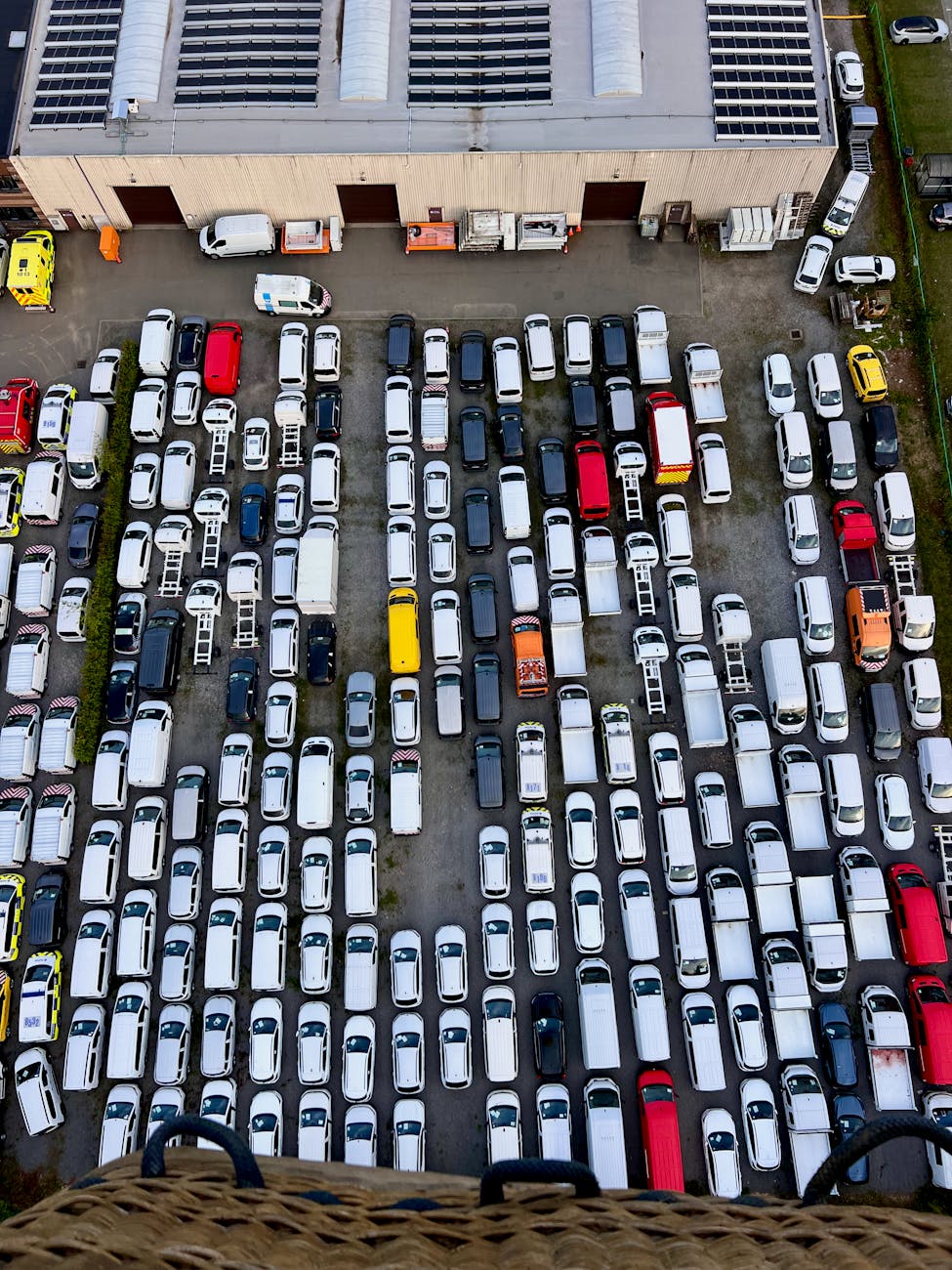
Idling. The EPA recommends you leave your engine idling for no more than 30 seconds, which wastes more gas than restarting the vehicle. In addition to its being bad for the environment, there are other consequences for your health. Click the link below, which gives you a detailed description of the other costs involved. https://getjerry.com/driving/is-it-bad-to-leave-your-car-running#what-happens-if-you-leave-your-car-idling
There is “nowhere to run or hide” from the impact Climate Change is having on our planet. Below are various links to information, which can give you ideas going forward for the safety and personal knowledge of things you should be aware of as you think about traveling.